Lewisia rediviva, commonly known as bitterroot, is a really interesting little plant native to the American West. The famous botanist Frederick Pursh named it after Meriwether Lewis after Lewis collected it during the Lewis and Clark expedition. “Rediviva” refers to the plant’s ability to grow back from desiccated roots, seemingly coming back to life. However, the plant was already well known by the Native peoples of America, including the Cheyenne, Ktunaxa, Shoshone, and Nez Perce, among many others. Although the roots are very bitter, they were commonly eaten with salt or sugar and sometimes used as protection against bears.
These individuals were photographed on a dry ridge in the Methow Valley, Washington State. They tend to live on dry, exposed, often gravelly terrain where few other plants easily survive.
Bitterroot is such an important plant that a number of locations, such as the Bitterroot Mountains, are named for them, and it’s the state flower of Montana.
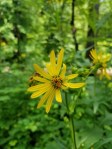
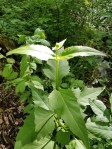
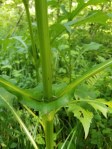
This is cup plant, Silphium perfoliatum. It’s a really interesting plant normally found on prairies – this one was in the Nerstrand Big Woods State Park in Minnesota, which is a little unusual. They’re often planted in habitat restoration projects, since bees and butterflies love them. The name “cup plant” comes from the cup-like perfoliate leaves, which collect water and often help keep the plant cool in hot summer conditions.
Cup plant has been used by humans for hundreds of years for various purposes.The sap was used as a sort of chewing gum with some medicinal purposes, young leaves were eaten as a kind of salad, and other parts, including the rhizome, were used medicinally. Native Americans used this plant for everything from preventing nausea to treating coughs – today it has been suggested that it can do all sorts of things, from increasing antibody production to lowering cholesterol, although scientific studies are few.
Seed pods of soapweed yucca, Yucca glauca, at Devil’s Backbone in Larimer County, Colorado. This plant’s had a lot of different uses historically, being used medicinally by Native American peoples including the Lakota and Cheyenne, and as food and as a weaving and textile material by the Zuni. The roots can be processed to create a soap, which gives the plant its common name. It’s also one of a number of yucca species colloquially called a Spanish bayonet for its sharp, pointed leaves.
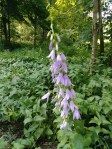
This was a submission from someone looking for a little identification help for the top two plants here, which they found in Massachusetts.
The purple flowers on top I think are Campanula latifolia, the giant bellflower, which is native to Europe but frequently escaped in New England. There are, however, a few other Campanula that look similar.
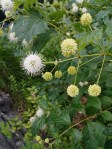
The “sea urchin”-like white flowers in the middle are buttonbush, Cephalanthus occidentalis. They’re native to eastern North America and look pretty cool!
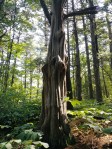
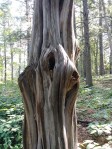
Person submitting threw in the last two trees as a bonus – aren’t they awesome?





 Kihaku-Gato's Garden Blog (tumblr import)