(I’m answering you via ask because the direct reply to post isn’t working) I think it is great to have a detailed scheme for your nursery business! Have you considered adding information that could help you direct marketing efforts better, like primary season of interest or recommended planting season? This will become a treasure if you keep diligently filling the spreadsheet!

Hmm, I think such a spreadsheet you speak of would almost work better for my stock plant / garden plant documentations (since I plan to propagate from stock plants in the future term). It’d definitely be nice though as not all flowers bloom at the same time of year for every gardener depending on location on the globe etc.. So having that for more localized marketing appeal would be pretty nice.

On the other hand I could just write such things down in the Additional Notes part or something lol
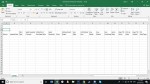
For some time I’ve felt that I’ve needed to make a spreadsheet/database so that I could keep note of what works and what doesn’t for certain species so that I don’t have to entirely depend on memory to recall what’s the best/worst for whichever species I’m trying to produce/sell in the perennial/tree greenhouse. Back in College I had tried to make my own with my apartment plants with… what I can barely call sensible success. Now that I have an actual greenhouse for perennials/trees I’m feeling I need to take another round at trying to have a documenting system.

I must confess that I’m going at this mildly blind here, as most production spreadsheets I could find were schedule sheets and not really production-documentation sheets.

Do you guys think it’s a good spreadsheet plan for perennial plant (seed-sown) production documentation or am I over/underthinking this?

Berkheya purpurea is a plant I keep getting drawn to (especially since I know a seed vendor for them) with how unusual they’d be for a northern garden (a south african native that can grow up to zone 5!), but I keep getting apprehensive as all hell;

It’s known to be  trouble-free grower but is it an aggressive plant?

Is it’s thistle foliage form really make it worth it? Would people still buy one knowing of it’s spiny as all hell nature?

AND THE FACT SOME ARTICLES REFER TO IT AS A THISTLE IS NOT HELPING!!!!

I love stories of plant cultivars lost to history only to be refound. I love hearing about species/hybrid plants, Heirloom plants, which may have started the trends and the start of the hype for a group of plants.

Plant cultivars refound in the gardens of grandparents, plants refound on abandoned/ruined properties. Something about it just makes me vibrate.

Me: This plant is pretty and lovely but probably unwise to grow in our kind of gardens so probably won’t.
Dad:*Condescendingly puts down any interest about this plant as if it’s stupid for anyone to bother with this plant*
Me:
Me: Despite the consequences I now will now out of pure spite grow this plant till you’re drowning in the presence of this plant you ass.

Ngl I’m a little pissed that the SECOND FREAKING TIME I TRY TO BUY APIOS AMERICANA, I GET FREAKING AMPHICARPAEA BRACTEATA YET AGAIN!!!! WHY DO PEOPLE KEEP MIS-ID’ING THESE PLANTS ARE YOU BLUMMING SERIOUS-

*squints* How in tf is one supposed to navigate the forum sections of GardenWeb/Houzz jfc it’s so different and unclear now. They’ve REALLY changed the website since I’ve last actually tried navigating it.

Um………. does anyone know any other garden-based forums???

Note to self; the main “little hosta” we have in our gardens has to be from the old Tiara series. I’m guessing either Golden or Grand Tiara?? I’ll have to investigate on a not-as-late night.

God I remember the one time I tried to grow some Hemerocallis from seed. I think it was a mix of hybtrids and some pure-blood yellow-flowered species daylilies.

Many didn’t want to sprout and any seedling I would get would die. I’ll have to try again with the greenhouse if I ever get access to some good ones.