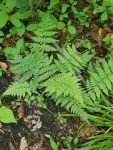
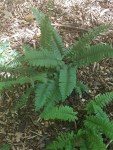
Dad:”you could go through that side of the forest creek and avoid the poison ivy”

My Internal Thoughts:”Oh, maybe I’ll find a different wildflower growing over in that area since the poison ivy won’t hinder/limit me. I doubt I’ll find groundnut vine but you never know-”

Dad:”The cattle used to be let out there so they grazed most of it out”

My Internal Thoughts:”SCRATCH THAT, THE CHANCES HIT THE ROCKS!”
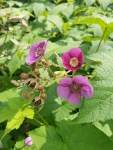
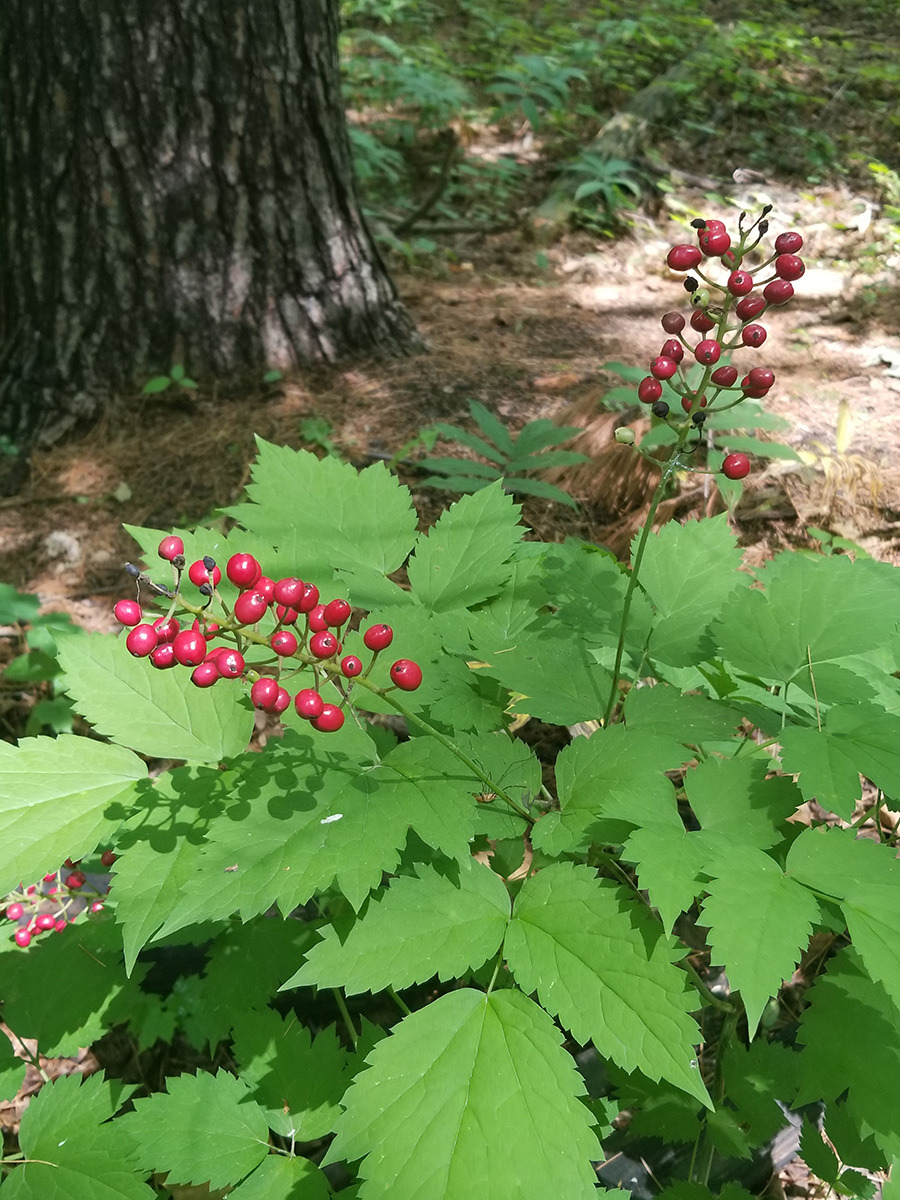
Red Baneberry (Actaea rubra) in the wild areas of the Guelph Arboretum. Their poisonous berries were not quite ripe at the time I photographed this. Good to know for when comparing to specimens closer to home though.

(means that harvesting them in autumn is TOO LATE IN THE SEASON, late summer is more ideal)

My sister’s lawn still has Ajuga repens, and it still plots to dominate said lawn.
Imo these are the survivors of the garden (potentially a shade garden) from a property owner long before her. If i knew the cultivar I’d take some to add to my perennial selection with how much of a proliferation there is of this groundcover! 

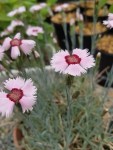
Dianthus ‘Little Bobby’
The one cultivar I’ve had the longest (an irony with its short life expectancy) and is one of my favourites. Collected seed of it a good while ago (prolly a couple of months ago??), I highly doubt it comes true from seed but I’d like to see anyways! Plus it’d be some genus-based seed startng experience.

Black Raspberries (Rubus occidentalis) wild in the drier nook of the woodland garden. The photos make them look tasty but nooo they’re tiny, seedy, tastless lies! Pretty fruits at least but not worth the lanky thorny canes lol

Interestingly this species is supposed to be rather thornless? These specimens contradict that description.