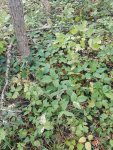
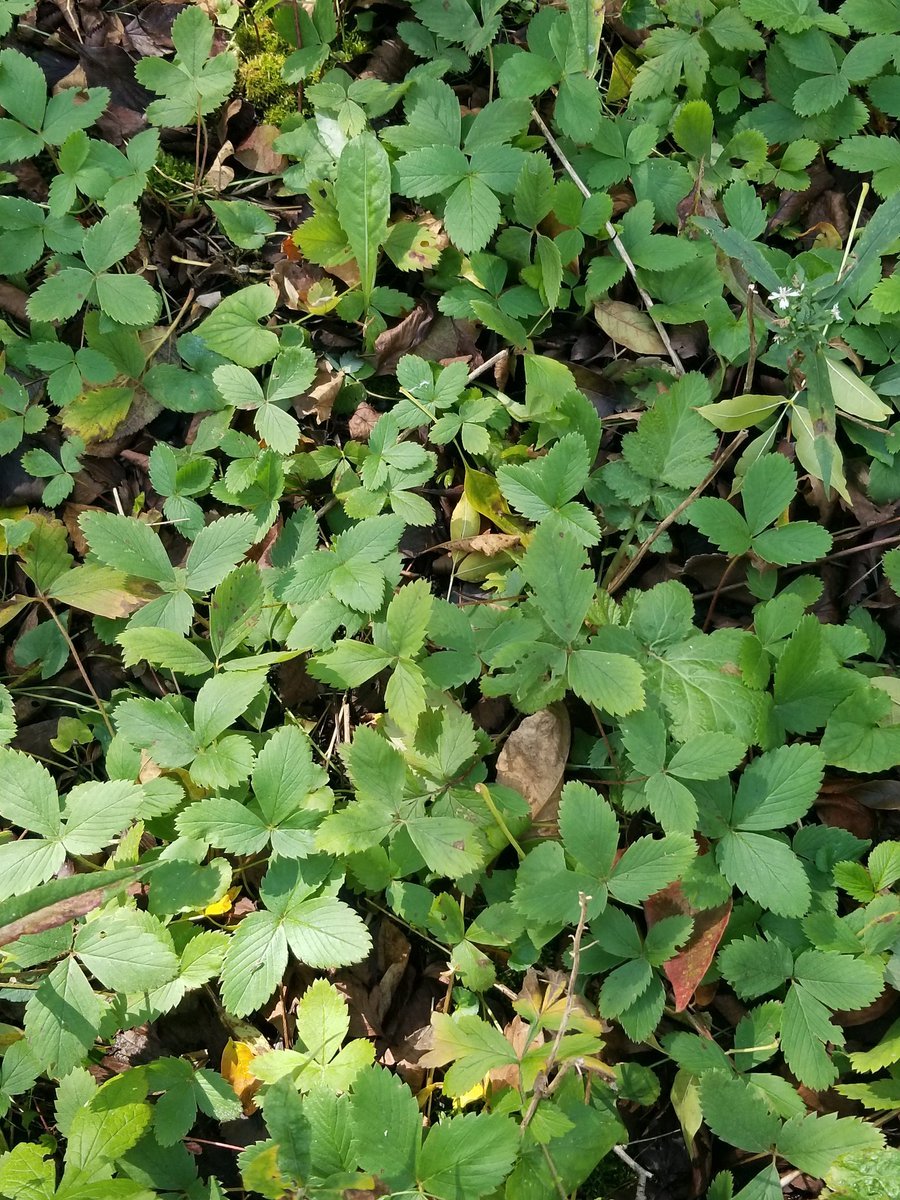
Y’know how weird it is to see areas of woodlot carpeted with primarily strawberry plants? Trippy it be.

I really want to go back to this forest during their flowering season and see if I can ID them as Wild strawberry (Fragaria virginiana) or Woodland strawberry (Fragaria vesca).

Both Virginia Creeper (Parthenocissus quinquefolia) and Poison Ivy Toxicodendron radicans) thrive in this forest. Though the Virginia Creeper is far scarcer, with only one location where I saw a population. Poison Ivy was hiding in almost any nook where you could have your guard down. Luckily climbing poison ivy I only saw in 3 different locations.

Interesting how the Virginia Creeper is ahead of the Poison Ivy for the autumn colours though.

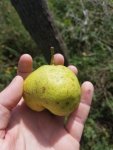
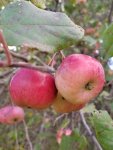
Wild pear(?) and wild apples. Them and the hawthorns are the main trees of the south/east of this woodlot, and seem to be that their oversurplus of fruit is favoured food for the wildlife; I’m sure the flock of 20(!) wild turkeys I saw at the end of my walk were enjoying them along with the leftover corncobs in the fields.

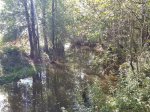
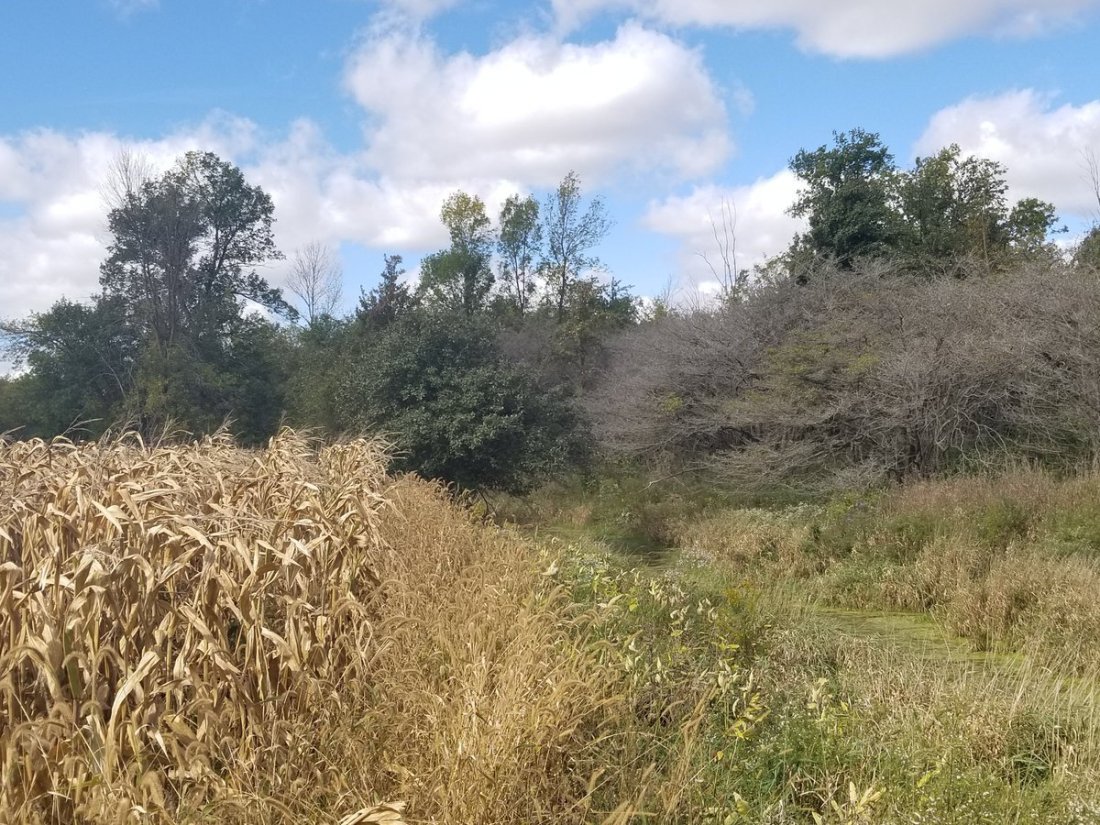
Same part of the creek photographed from the opposite sides of it (notice the trees with the distinctive curve from the base of their trunks). Basically discovered the south side of the creek would lead me away from the forest so had to trek ALL THE WAY back to the road the retrack my path from the north side.

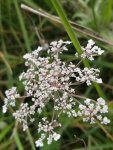
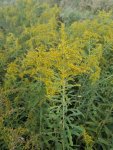
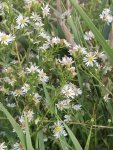
The sunnier side of the creek (as well as the untouched large meadow which I tragically did not photograph) had a lot of the standard wildflowers; New England Aster, Poison Hemlock (? I was gonna ID as wild carrot but then went “wait a minute wild carrots don’t like wet habitats”), Goldenrod, and white wild aster.

First pic I had taken from that woodland walk livetweeting (and where I chose THE WRONG SIDE OF THE CREEK).

This forest is well known for heavy poison ivy colonies (luckily encountered less than I expected) and is heavily protected by a thicket barrier of Hawthorns/Pears in the East/South side.

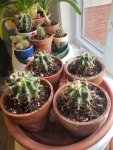
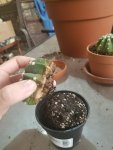
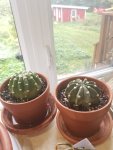
Did an entire thread on twitter about repotting many of the houseplants (mainly the cacti/succulents) into larger (and mainly clay) flowerpots. The clay is key as the soil mix they’ve been put in is a bit more moisture retentive than I’d prefer for cacti. My Ferocactus I’m most proud of for their how much bigger they are from when they were little itty bitty seedings ;v; I need to make a knew before/after post for how much the Ferocacti grew. The one Echinopsis lost its rootball to probably rot so hopefully it’ll reroot in its new planter.

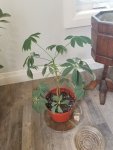
So many more houseplants need repotting before winter comes around the corner (Christmas Cacti, Pothos, Clivia, Dracanea to name the majority), its just getting around to the mess.

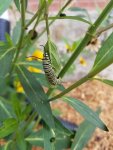
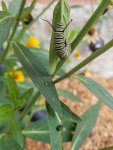
The lil hungry monarch caterpillar nomming away on the transplanted swamp milkweed

Cute lil wriggler ❤

Long after this photograph/tweet, at least EIGHT different monarch caterpillars were enjoying this milkweed plant! Though then they just… up and disappeared. What an enigma.

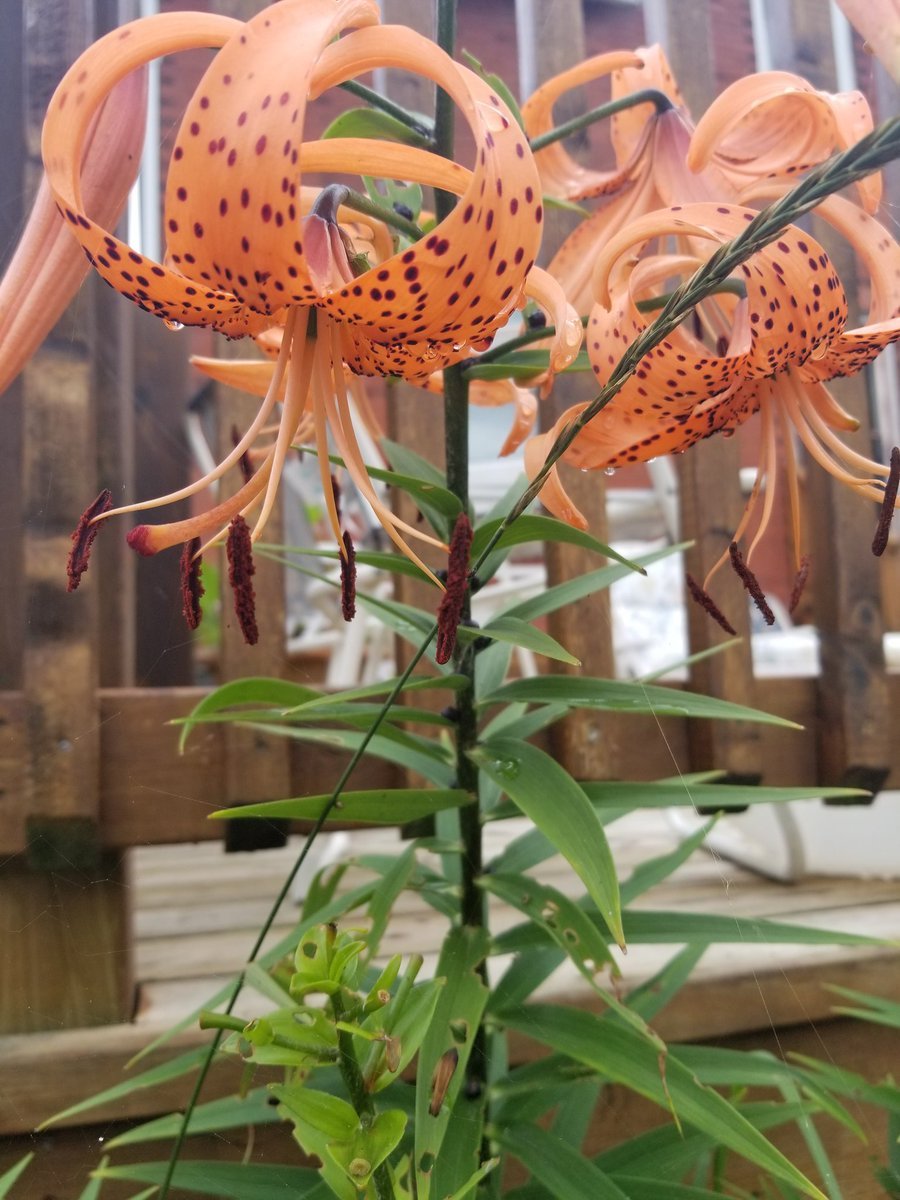
One of my remaining yet-to-be-removed Tiger Lilies in bloom.
The Asiatic Lily group one of the most susceptible groups to Red Lily Beetle (as evidenced by the foliar damage) so I’m taking them out to starve them out.

Tragic but needed. At least until some kind of parasitic wasp program for red lily beetle comes up for this province like it is for places like @pacificnorthwestdoodles‘s neighbourhood/State.

I still haven’t removed this plant yet tbh. tsk tsk tsk.