clinicalherbalist:
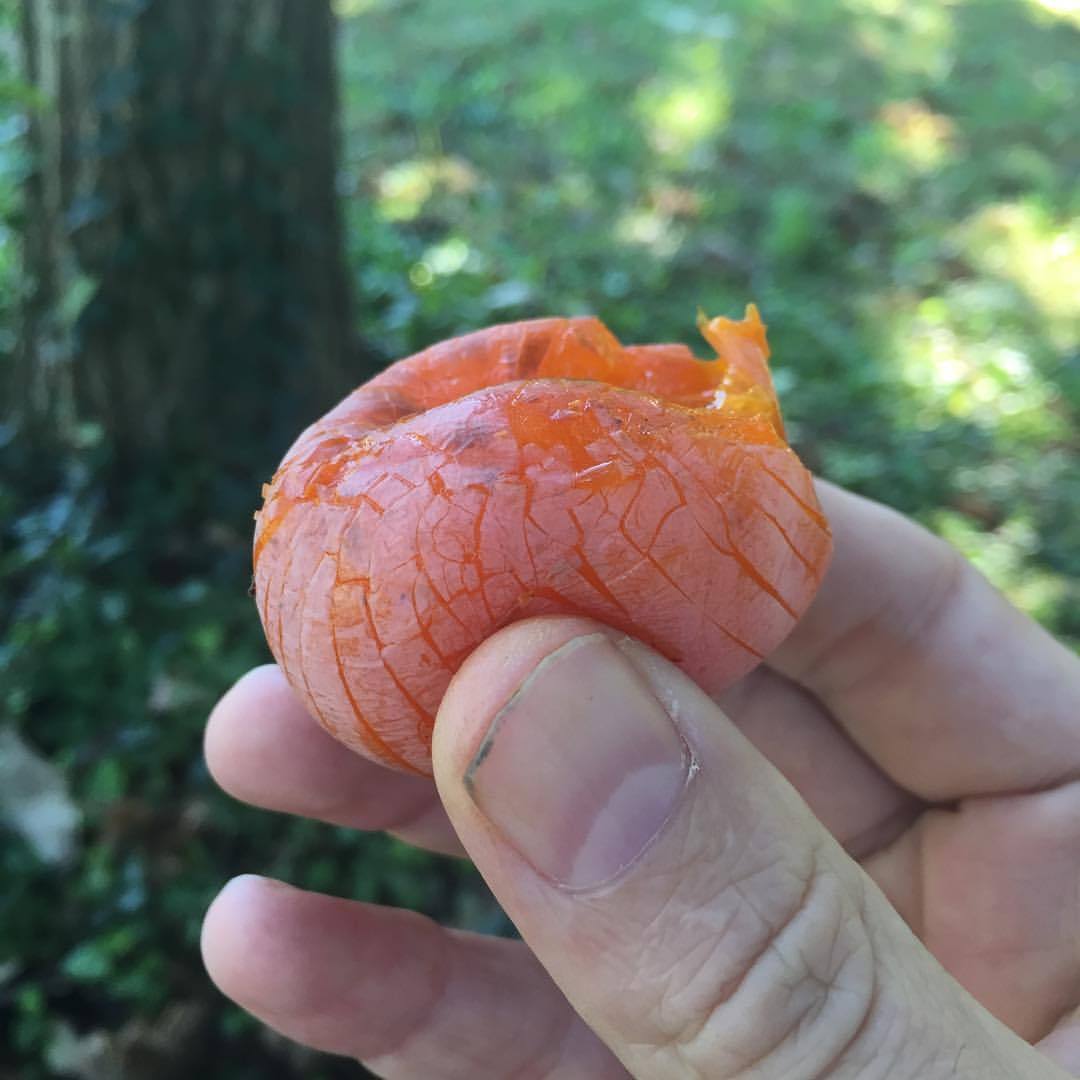
Prickly pear cactus (Opuntia humifisa, or Opuntia compressa var. humifusa, occasionally Opuntia rafinesquii), at the end of winter. It’s the only cactus that grows around here of its own accord, and is pretty common in dry pastures, rocky karsts and cliffs, along railroads, and in those areas under power lines where they come through and cut down the trees periodically. It blooms in late spring, each flower lasting a single day, and the fruits ripen in summer and then just lay there forever if they don’t get eaten. There are two (oblongish brownish purple things) in the middle of this picture. I ate one of them. Still perfectly edible and sweet.
.
.
.
Both the fruit and the flat green pad are edible, and the pad is used medicinally to help blood sugar to be stable and not rise sharply after meals. It’s used raw as medicine but usually cooked or pickled for food.
.
.
.
When harvesting and processing, it’s important to note that this plant has two different prickly bits. There are the long white spines, whose main purpose is to stick in the skin of, and anchor the pad to , a passing creature— it will break off and get taken somewhere else, and when it lands on the ground it can grown roots and become a clone of the original plant. Then there are clumps of tiny hair like prickles in each of the brown dots on the pad. These ones (glochids, they’re called) will embed themselves in the skin, tongue, wherever they get a chance to, at the slightest touch, and they can be hard to remove. So they have to be removed before eating and avoided while touching the pads.
.
.
.
.
#herbalist #herbalmedicine #herbal #wildedibles #wildfood #wildfoodlove #cactus #succulent #glochids #opuntia



 Kihaku-Gato's Garden Blog (tumblr import)