hey i almost forgot, i used the herbarium’s photography setup to take Super High Res Images of those really cool bisected Stylites specimens! i still need to process the images to a more accessible format (theyre photoshop files right now) but it’s crazy, you can see the primitive vascular trace up the middle and what looks like a couple similarly primitive different woody tissues. i need to read up more on isoetale anatomy to be able to tell whats what, but its pretty goddamn cool just seeing the inside a bit closer.
these are lower quality bc theyre screenshots but this is prob my fave image. look at the weird little pore structures right below the leaves- i can’t tell if those are like, sieve tubes or xylem bc the corm/rhizome woody thing is technically a modified stem and the pores taper off into the line down the center of the plant that i’m assuming is the main vascular trace so like maybe, but like at the same time these plants literally evolved before roots were a thing (those ‘roots’ that u see are not roots, but in fact modified leaves bc they never learned how to make modern roots with root hairs and specialized root tissues, thats how fucking old they are) so like can we even compare the anatomy of this to a modern plant in any capacity? what is even happening here? what the hell is this? i love it
tonight at the botany conference i was talking to this other undergrad i met whos super into aquatic plants and he was like ‘o have you ever seen the aquatic plant that looks like a net?? the managascar lace plant???’ and i was like ‘wait what the fuck what???’ and i looked it upand
the scientific name is Aponogeton madagascariensis. it has problems with algae growing over the gaps and blocking the actual photosynthic ‘netting’ tissue, which like…..i mean….i can see why like holy shit…..im honestly so jarred by this like that isn’t allowed! stop doing that!
hey I don’t think I’ve ever talked here about corn wolves. here let me find a gas station real quick
okay so I’m in the middle of nowhere stopped for gas in a small town in Iowa rn and my Internet is REALLY spotty so I hope this posts but
as people who have followed this blog for longer might know, sometimes I go hang out with this corn genetics lab at school, as in we meet up on friday nights to talk about corn science and stuff. once the corn genetics subject of the week is covered sometimes we go off track and start talking about other stuff. as u may imagine from a corn genetics lab, most of the members grew up on farms here in the midwest, and one night we were talking and a couple of the people started discussing an urban legend that they were taught as kids to keep them from running into their family’s cornfields and getting lost. one of those people was from Nebraska, and the other from rural minnisoda- these were isolated incidents of this urban legend happening, and all of us were deeply engrossed in this. i cannot make this shit up, this is the story:
there are wolves that live inside the corn when it’s full grown. they’re huge, and are camouflaged to hide in the fields. their breathing sounds like the misting of the irrigation systems set up over the corn in these areas for water. if they see small children in the fields, they kill and eat them.
now I’ve lived my whole life in suburban Iowa, and I can vouch that we don’t have irrigation systems like that here; our group came to the conclusion that this must be the reason that from our 7 or 8 person sample size, the corn wolves did not exist in Iowa, the largest producer of corn. I’ve never seen the corn wolves mentioned anywhere else outside that one night with the genetics lab, and it really fascinates me because as a horror/creepypasta person myself, I think it’s a great example of those strange little urban legends that never get written down on paper. the fact that it’s never appeared anywhere else in my life kind of confounds me, because it’s a really cool story. i like to go driving around rural Iowa when I’m home from college, and i always end up thinking about the corn wolves.
neither of the people believed it as kids btw lol
This is a FANTASTIC piece of Americana and cryptic lore. I propose making them a thing immediately.
Fun geography time.
This isn’t an unprecedented or unusual piece of folklore, and I think
there’s a notable demographic reason that this lore shows-up in the
long-grass prairies of the northern Corn Belt of the U.S. This appears
to be a classic telling of “Roggenwolf” folklore, a variation on the
“feldgeister” concept.
Roggenwolf – or sometimes, Kornwolf – specifically refers to the German folk belief in a phantom wolf spirit which hides in tall corn fields and stalks children. Roggenwolf is one of the more popular and widely-known of the feldgeister spirits.
In German folk culture, Feldgeisters, as is probably obvious from the name, are malevolent spirits which dwell in crops and rural agricultural fields. Feldgeisters
are almost always specifically associated with children; that is, they
are said to target children for torment and death. They are not really
associated with naturally-occurring grasslands or woodlands, but instead
are distinctly related to domesticated crops. Sometimes, some rural
residents will make small ritualistic offerings during harvest season as
a gesture to appease the spirit. The spirit is said to be most active
when crops are at their tallest.
Other variations of the crop-dwelling feldgeister include an evil pig (Roggensau); a dog that tickles children to death (Kiddelhunde); a witch-like corn-woman who kidnaps children (Roggenmuhme); and a chicken that pecks-out children’s eyes (Getreidehahn).
I
would say that there are two (2!) very good reasons why feldgeister lore shows-up in some micro-regions of the Midwest, while being absent
in others. Specifically, both the ethnic heritage and the ecology of a
certain part of the Plains/Midwest create good conditions for
replicating this European lore in North America
People familiar with the cultural
geography of the American Midwest are probably well-aware of the strong
ethnic Norwegian presence among rural agricultural cultures in the
glaciated plains of the Red River Valley of western Minnesota, the
northern half of North Dakota, and northeastern Montana. Ecologically,
this landscape is glaciated prairies with pothole lakes, and often hosts
much more barley than corn. Meanwhile, the Heartland region of rural
Illinois and Indiana, though hosting quite a bit of heavy corn industry,
isn’t too much more ethnically German than other parts of America, and
much of the landscape is a mixture of Rust Belt industrial areas
in-between the cornfields (so it’s not exactly desolate and creepy).
However,
there is very strong ethnic German presence in the long-grass prairies
southern Minnesota, South Dakota, south-central North Dakota, parts of
western Wisconsin, and central Nebraska and Kansas away from the urban
areas of Omaha and Kansas City. In most of this land, over 50% of the
population has German ancestry. Aside from this cultural composition,
this region also lends itself better to creepy, eerie stories because it
is more empty and ecologically homogenous than the rest of the Great
Lakes and Heartlands; this is the region where crops run uninterrupted
for miles and rural dirt-roads run in empty grid networks in every
direction. Though the feldgeister concept has a closer association with
cornfields in Europe, the long-grass prairies (roughly centered neared
Sioux Falls) host 1) heavy German influence, and 2) the most expansive
crops in the country. Therefore, the region is probably ripe for a
replication of spooky German lore about haunted cornfields.
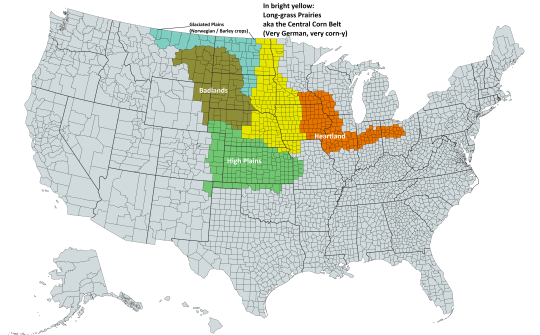
Source: Me Map 1 – Cultural Micro-Regions of the Heartland and Great Plains:
I think that this map might help to visualize where both cornfields and
rural lifestyle predominate, opening the door to rural folklore. The two
regions here where corn agriculture is predominant are the orange and
yellow regions. The orange region, the classic “Heartland”, hosts
Indiana Hoosier culture and the cornfields of Illinois and Ohio.
However, the region is marked by smaller farms and a higher population
density, and is not that rural compared to the plains further west; much
of this region also hosts larger cities and a lot of Rust Belt
industrial zones and dairy farms. The yellow region, however, is both
covered in corn and quite rural, where crops can span from horizon to
horizon. That’s where we would look for German folk culture.
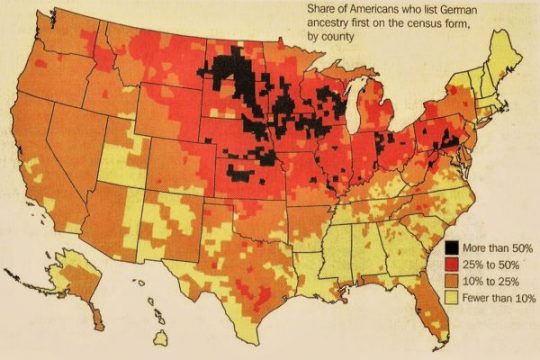
Source: An anonymous hero cartographer who’s had their work stolen by Pinterest users Map 2 – German Ancestry in the U.S.
This might help to visualize the places where predominant corn agriculture overlaps with German ancestry. Note that in much of central Wisconsin and central North Dakota, over 50% of people have German ancestry. But this land isn’t really dominated by corn. However, the region roughly from Fargo (on the Minnesota-North Dakota border) to Kansas City is both heavily German and dominated by corn. —
Anyway, feldgeister lore is scary. I’d love to hear more American versions, since a lot of the scholarship on these spooky corn-wolves is based on folk culture in Germany itself, rather than the diaspora in the U.S.
Saw this post about feldgeister’s going around again, so thought I’d make a low-effort re-post for anyone interested in “Midwestern gothic” or how local ecology influences regional folklore.
this an awesome hot take thank you!!
and just in time for halloween and the corn harvest, too 👀
im still working on that paper on government regulations of GMO crops and its just…..really fascinating. i feel like i just….wasn’t very well informed about exactly how these plants interact with environment and with people before, although ive heard vague arguments about legality and possible dangers one way or the other tossed back and forth a lot. the regulation in a legal sense is done by USDA APHIS under title 7, chapter 104 (the Plant Protection Act), and it’s very messy and very interesting. for example, i’ve heard a lot about the ‘intellectual property’ legal case with Monstanto, but i just learned about the supreme court case Monsanto Co. v. Geertson Seed Farms, which concerns the actual regulation of some of these products.
background: the issue in this case is if GMO crops could cross pollinate with non-GMO crops and introduce those genes inadvertently into nearby wild/organic populations. this is a big factor of what people mean when they say ‘GMO crops could hurt the environment’ (wether or not it could actually cause harm is another thing that kind of is on a more case-by-case basis with the gene involved and stuff).
from there:
1. if you are a company wanting to mass-produce ur GMO crop, then u put that crop through years of development and then contact USDA APHIS, who sends people out to put it through it’s paces and make sure that it’s not going to fuck anything up/hurt people. usually by this point the company is 600% sure that it’s safe, because the entire regulatory process costs a lot of money and you don’t want to put just any old crop through that just to have it fail.
2. again, USDA APHIS runs under title 7 chapter 104, which classifies GMOs as ‘plant pests’ (this wording gives APHIS the legal jurisdiction to screen them like they do). BUT because of the technical meaning of ‘plant pest’ in another law, a GMO is only a GMO if it contains DNA from another organism. so if you take DNA from the same plant and move it around/modify it, you can petition USDA APHIS to declassify it as a plant pest,meaning that the particular crop becomes completely deregulated and can just kinda….do whatever, get planted whatever, etc and is completely out of the jurisdiction of the department. (it should be noted that this is kind of viewed as a loophole, because one of the concerns about genetic engineering is that by moving genes around the genome, you could accidentally insert it into another gene and break it’s function, causing unintentional adverse affects.)
3. this wording also means that USDA APHIS also has to abide by NEPTA, the National Environmental Policy Act of 1969, which states that if APHIS gets petitioned to deregulate a crop, before they do anything they first have to do an environmental assessment of the crop that is wrapped up in a report saying ‘yea u good, because all our tests came back negative, ur plant is now Free’, ‘you are not allowed to grow this, because of x reasons, your plant must remain under our regulations’, or ‘you are allowed to grow this Wherever and do Whatever, but only in certain places where you can be sure x things won’t happen, if you grow it outside those zones then its back under our jurisdiction’. if USDA APHIS decides that it’s safe enough, they can allow the crop to enter deregulation before the environmental assessment is finished.
so it’s 2004, and Monstanto has an alfalfa crop variety that’s Roundup Ready (meaning that it’s resistant to their patented herbicide Roundup, and if you have it planted you can spray the field with that herbicide and kill everything but the crop. they have a few different kinds of crop like this but this case concerns their alfalfa variety). they decide ‘hey, lets go petition the USDA for our crop to be deregulated so we can do Whatever We Want with it’. the problem here is that alfalfa is open pollinated, meaning that it’s naturally pollinated insects…..that also pollinate other alfalfa nearby. alfalfa that may not be GMO. alfalfa that may, in fact, be organic…..which, by federal regulation, cannot be GMO. APHIS looked over the case and did an assessment and was like ‘yea sure sounds good’ and started the process of deregulating the crop.
organic farmers in california noticed this, and they were like ‘that’s not very cash money of u’. so in 2006, Geertson Seed Farm and a few other organic farms rallied together and went to the california district court and were like ‘we dont think APHIS’s environmental assessment was enough, and we think that they should conduct a more thorough investigation, and during that investigation they should stop the process of deregulating the crop’. the court was like ‘yea that sounds reasonable’, ordered APHIS to conduct a new investigation, and ordered that Monstanto would not be able to plant any more of that alfalfa until APHIS had finished said investigation. monstanto was like ‘can you just like, partially deregulate it so we can like, plant it in some places at least?’ and the court was like ‘No™’.
monsanto Did Not Like This. they appealed to the california appeal courts, who in 2013 also said No™, and they still Did Not Like This, so they appealed to the u.s. supreme court, who was like ‘yea ok you can plant it in some places until APHIS finishes the assessment, because Geertson Seed Farm didn’t actually like….have any harm done to them, and we’ve decided that they need to show harm before they can demand that it not be deregulated’. they also decided that cross-contamination between organic and GMO crops does not qualify as harm done to those crops, because ‘harm’ in the context of a ‘plant pest’ is widespread physical damage and destruction of other plants, and changing the genome of a plant like that is not physical damage, which is….a really interesting conclusion that brings up a lot of questions, tbh. i’ve been thinking about it a lot lately, like….this is pretty strictly adhering to just the damage imposed on plants, and doesn’t branch out to consider how cross contamination could impact organic farmers economically through potentially having their crops deemed non-organic do to no fault of their own. i also feel like this is one of those cases where it could have some Wild Ass implications if it ever comes up in a human or animal context, although i can’t say exactly what that might be.
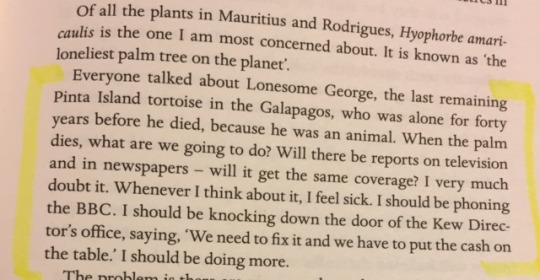
SOMEONE INFORM ME EXACTLY HOW I MISSED THAT THE BADASS KEW PLANT GOD PUBLISHED A BOOK ABOUT HIS BADASS PLANT ADVENTURES???????????????????????????????????????????????????????????????????????????????????????????????????????????????????
i ordered it bc i have no self control
update: this shipped out today but it’ll take 8-12 days to get here and im dying. carlos magdalena why must u do this to me
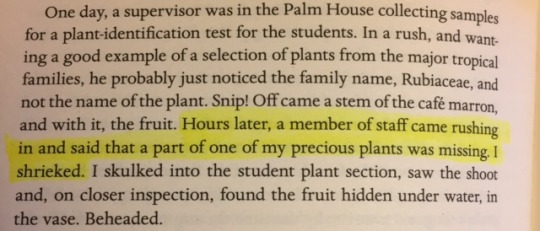
okay so i got this book today and spent like 6 hours reading it and im almost done but i really wanna talk about this plant nerd and his many endangered plonts that he loves and protects with all his heart and soul
carlos magdalena, kew botanical horticulturalist, is honestly an unproblematic fave
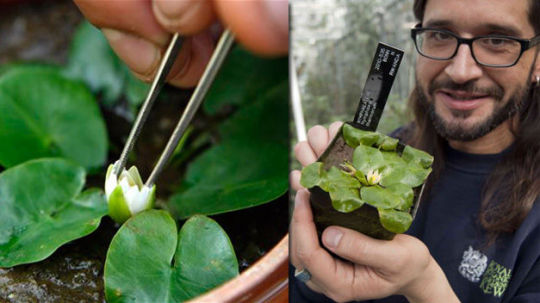
also btw heres some pics of carlos with the smallest water lily in the world, which he saved from extinction. he talks in the book about how he learned later on that at the time he finally figured out how to propagate this species in cultivation, rats had broken in and killed the only other specimens in the world at the german conservatory they were being kept at, and the habitat where the 1 or 2 wild plants had been living had been destroyed for a concrete company. he had been working with the last seeds in literal existence without knowing it (he had assumed they were still alive) and the other scientists and botanical horticulturalists in germany had been living in grief over having lost this plant to apparent extinction. he originally had 200 seeds recruited for trying to cultivate the species, and by the time he realized how to cultivate it, he had been working with the last 5 seeds in the world. he didn’t know at the time. (x)
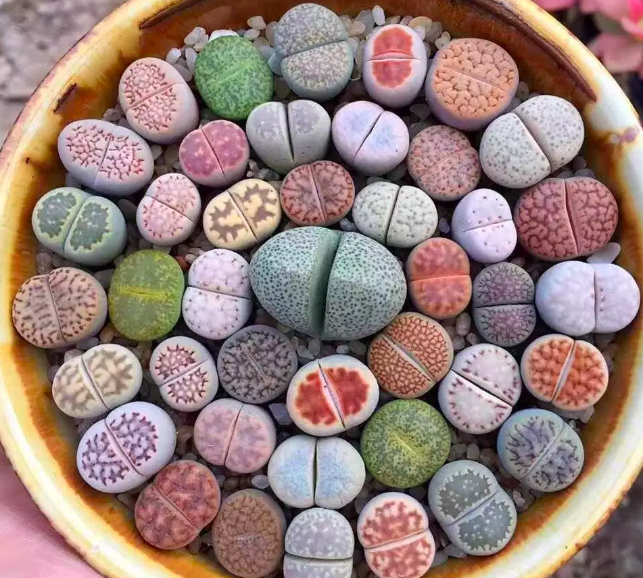
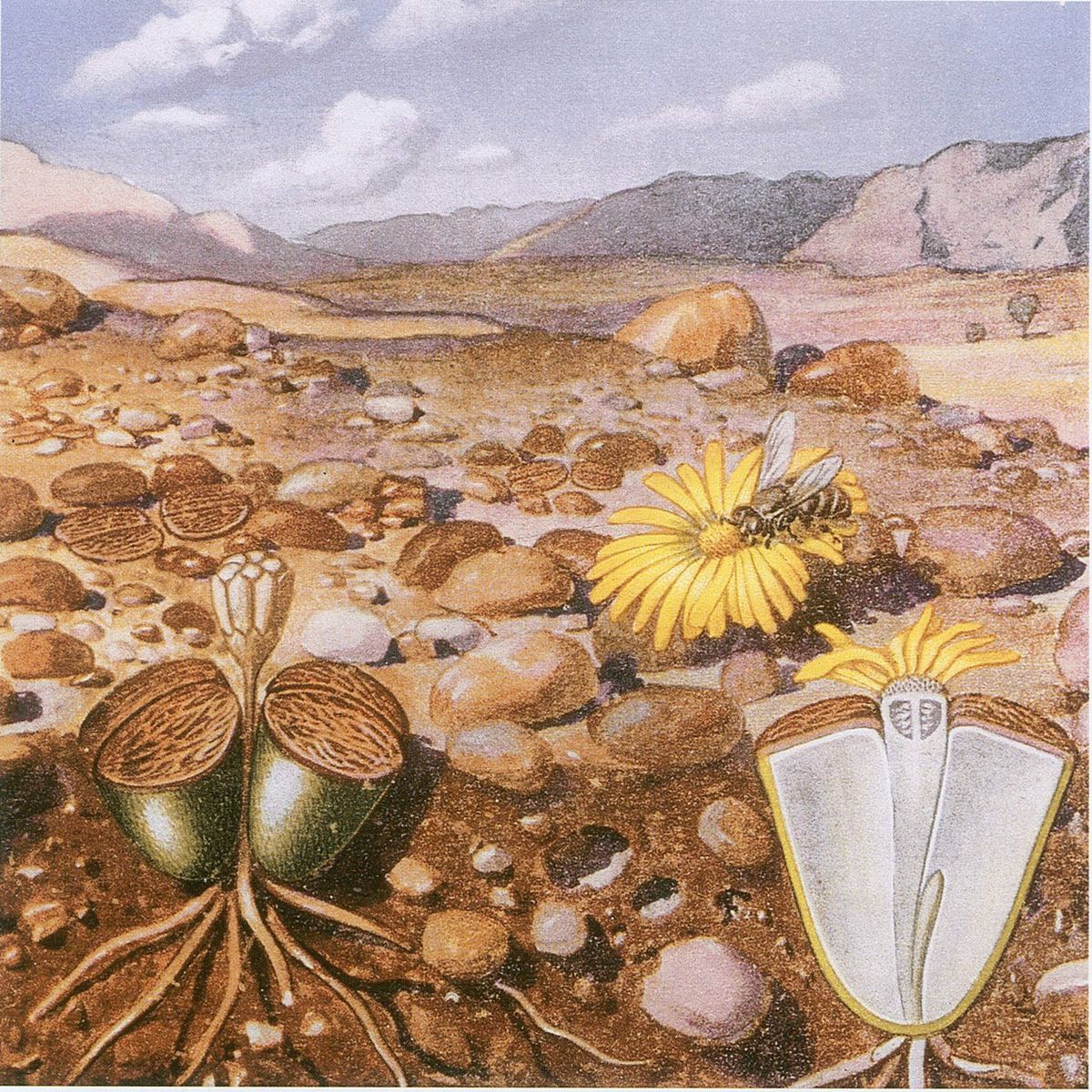
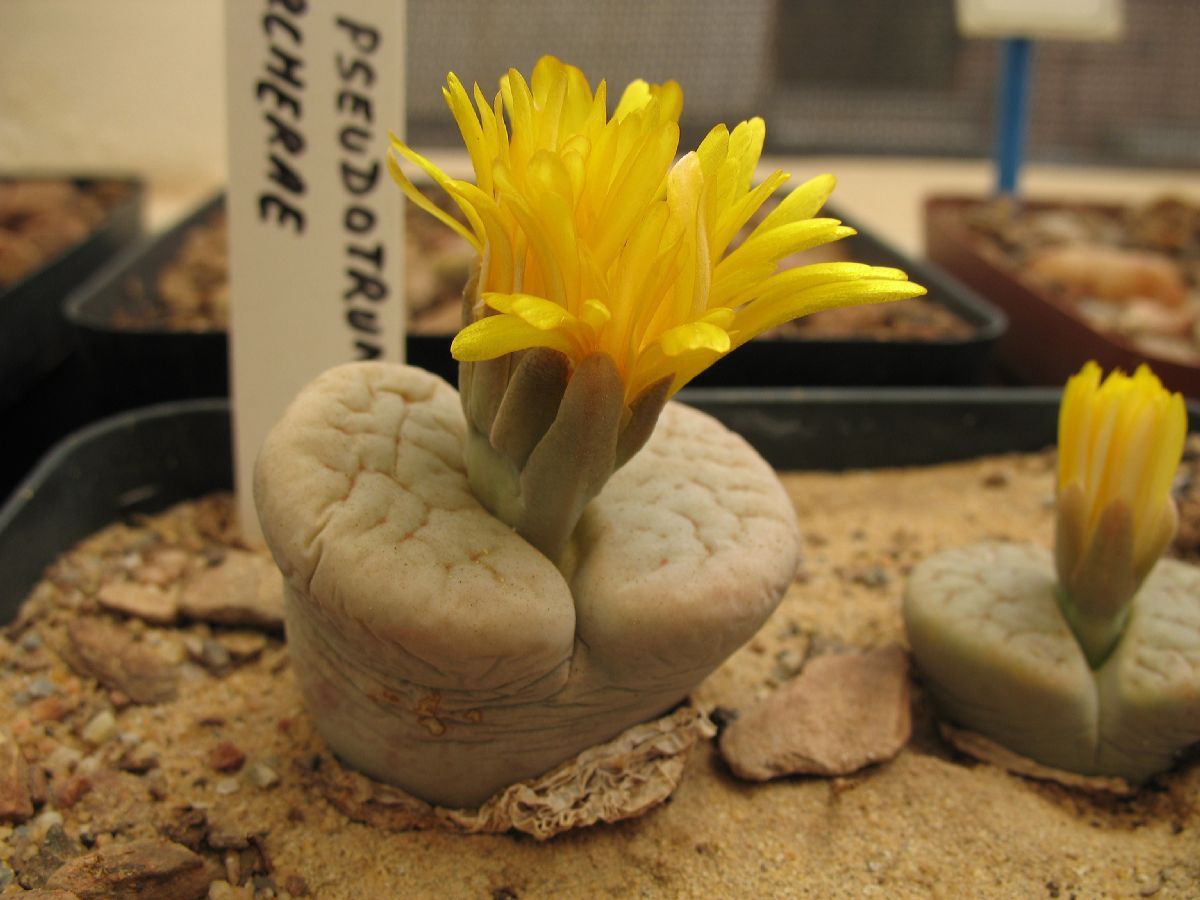
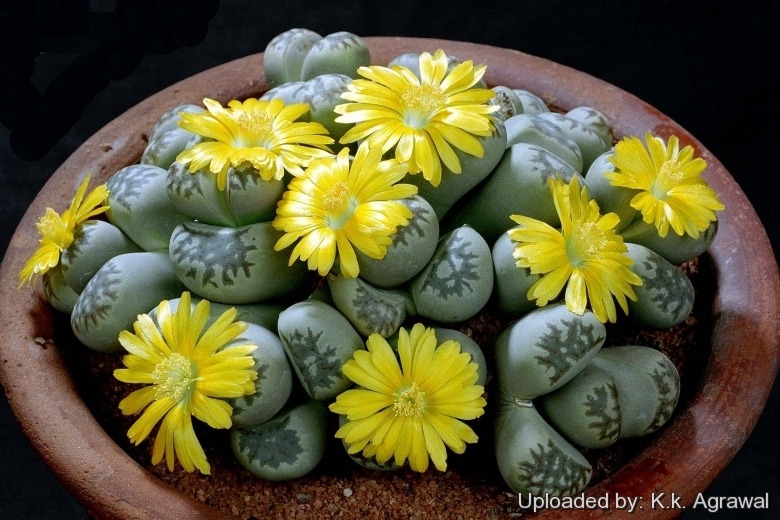
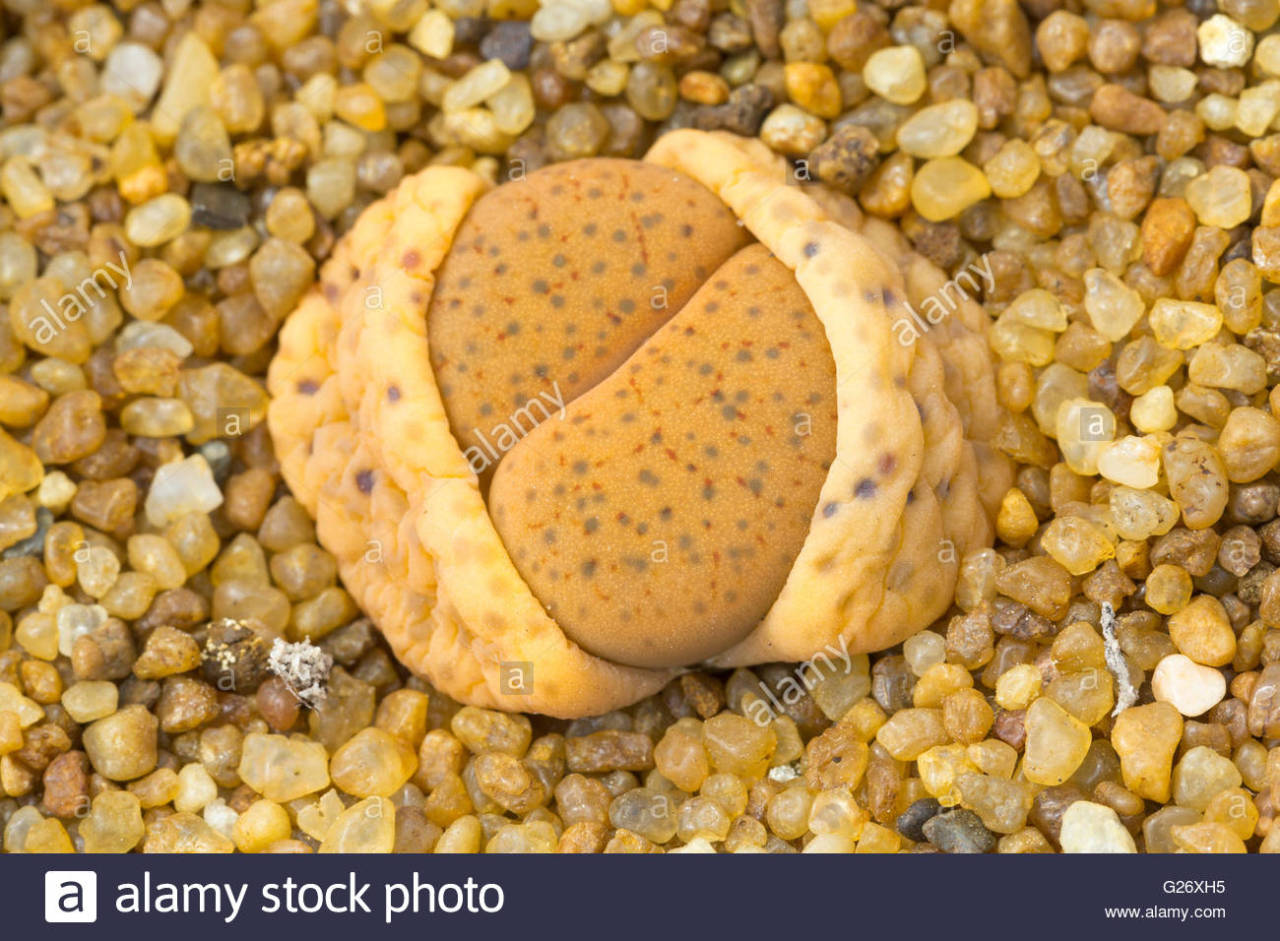
also i should mention that as part of their physiology they have so shed their old buttcheeks (leaves- they make a few pairs at a time, but theyre always paired up) every year to be replaced with new, fresh buttcheeks. i cannot make this up this is something they do.
-a bottle of 25g dried sunflower leaf just sitting in a drawer of office supplies
damn bro it sure is
Google gives answers for why tf one would have a jar of ground sunflower leaves, (not that I’d use it for these purposes cause herbalism is a field I take more than a grain of salt for) but it still leaves several questions but mainly why would a seed processing company want/have a jar ground sunflower leaves???????





 Kihaku-Gato's Garden Blog (tumblr import)